Round One: We’re stepping into the octagon on the front foot with one question: What’s the real value of data in MMA?
In this post, we’ll take a closer look at the UFC (Ultimate Fighting Championship) and explore how fight data and analytics are shaping the sport. From breaking down fighter performance stats to showing how coaches design smarter game plans and training regimes, data has become one of the most powerful tools in combat sports. So without further ado, I’ll hand it over to Bruce Buffer: LADIES AND GENTLEMEN… IIIIIIIIIT’S TIIIIIME!
After a quick breather in the corner (no inhalers here, Greg Hardy), it’s time to get into the numbers. Let’s start with the big picture: the UFC’s rise to global dominance.
A quick look at fight data over time shows a huge spike around 2005 — the year Forrest Griffin and Stephan Bonnar had their legendary war in The Ultimate Fighter finale. That 15-minute battle didn’t just earn both men UFC contracts; it catapulted MMA into mainstream attention and helped make it the fastest-growing sport in the world.
As popularity skyrocketed, fans demanded more events, and the UFC responded by signing more fighters, hosting more bouts, and tightening rules to make MMA a safer, more TV-friendly sport — a big shift from the wild days of the early ’90s, when headbutts, groin shots, and hair-pulling were fair game.

We’re deep into the fight now, and the gas tank’s still full. Let’s look at why UFC records so much data and who benefits from it.
With over 25 years of fight data from 5,000+ bouts, UFC analytics offer incredible accuracy and insights. Here are just a few examples of what’s tracked:
- Fight outcomes: KO, TKO, submission, or decision
- Round-by-round finish probabilities
- Submission targets: neck, arms, or legs
- Trends in knockouts and submission finishes
- Historical success rates of different fight-ending techniques
This information helps fighters and coaches adjust training, create smarter strategies, and prepare for the most likely scenarios. For fans, it adds a whole new level of engagement and storytelling.

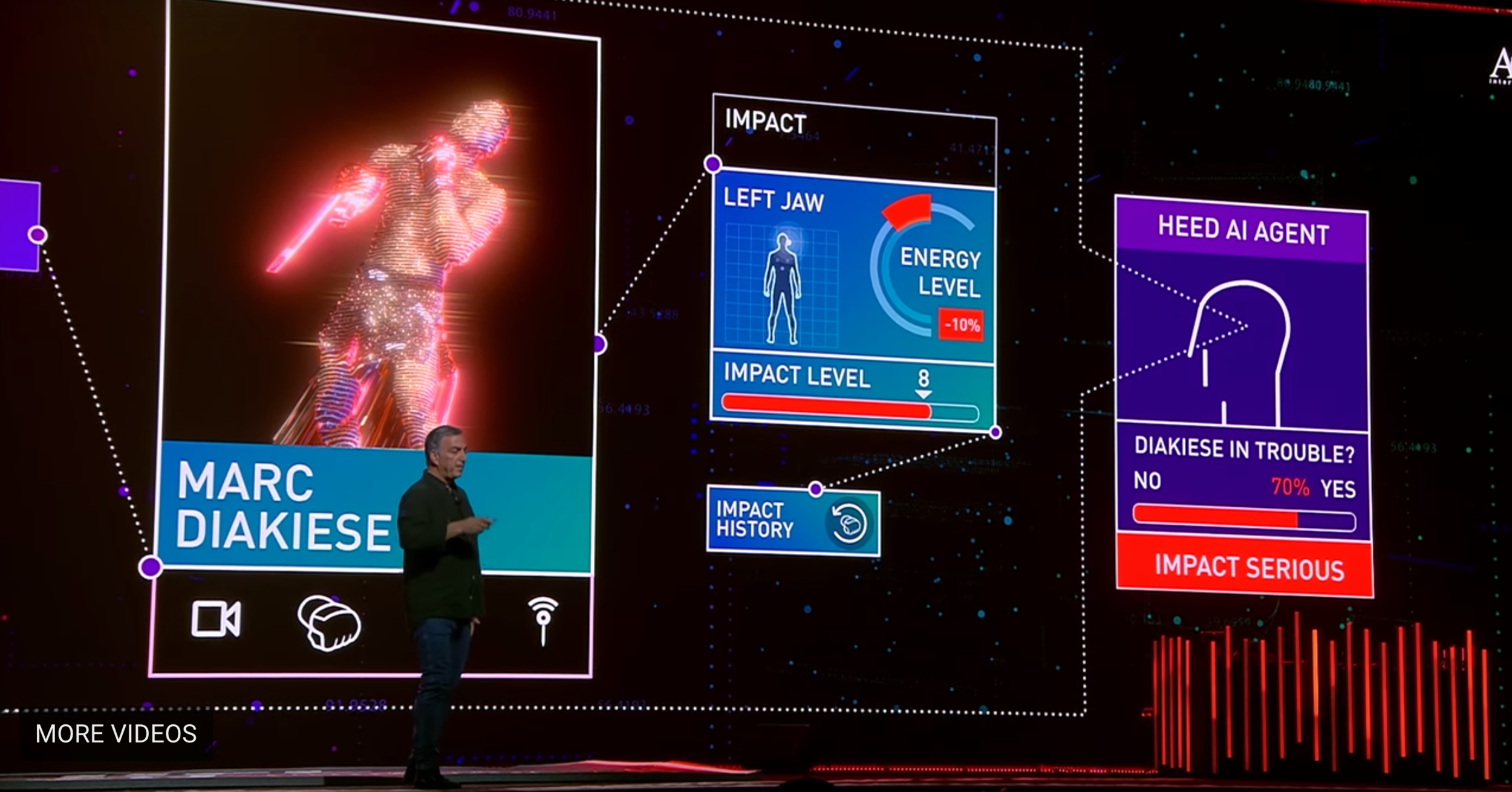
And UFC data isn’t stopping at stats on paper — it’s evolving with AI and IoT technology. Through a partnership with HEED and Amazon Web Services, the UFC is using sensors in the mat and gloves to track punch power, movement, and trajectory. AI even analyzes the emotions of fighters, coaches, and fans near the cage. These innovations promise a more interactive and data-driven fight experience than ever before.
The Final Bell: And that’s it, folks. Data has secured the knockout. Without stats and analytics, MMA would likely be less safe, less strategic, and far less popular. But thanks to decades of recorded data and cutting-edge tech, the UFC continues to grow and evolve.
Your winner by knockout — and still champion of the world: DATA.
